

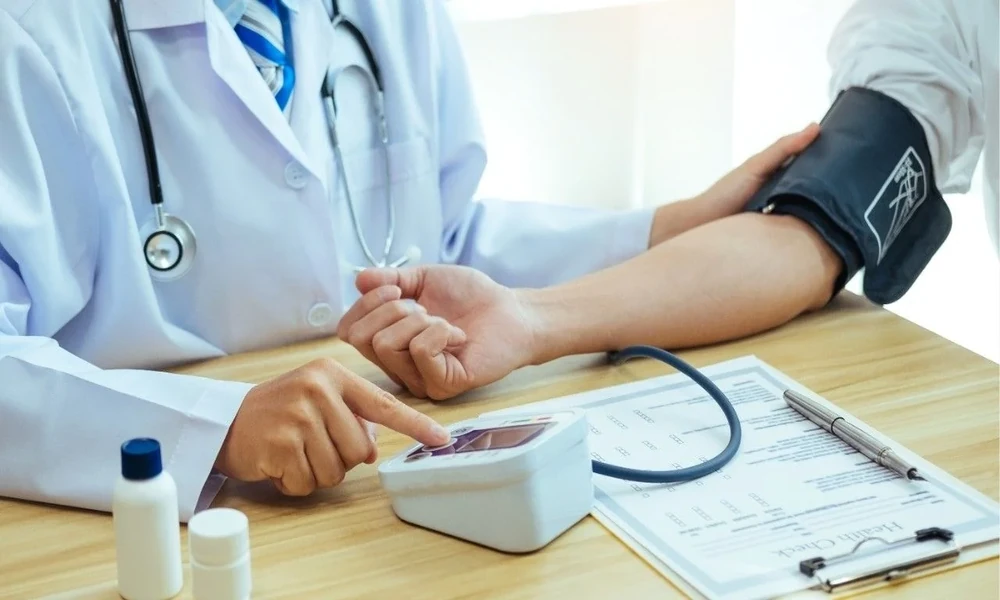
Why Preventive Care Is More Important Than Ever helps you understand how regular checkups, screenings, and healthy habits protect your long-term health.
Preventive care is more important than ever because it helps detect health problems early, lowers healthcare costs, improves quality of life, and reduces the risk of serious illnesses. Regular checkups, screenings, vaccinations, and healthy lifestyle habits can prevent many chronic conditions before they become life-threatening.
What if the best way to avoid a major health problem isn’t advanced treatment-but simply catching it before it starts? 🤔
Most people visit a doctor only after feeling sick. Unfortunately, many serious conditions develop silently for months or even years before symptoms appear. Preventive care changes that approach by focusing on staying healthy rather than waiting for illness to strike.
Today’s fast-paced lifestyle, rising stress levels, unhealthy diets, and lack of exercise make preventive healthcare more valuable than ever. Whether you’re a young adult, a busy parent, or a senior, regular health screenings and routine medical visits can make a significant difference in your overall well-being.
When choosing a trusted Primary Care Physician, having consistent medical guidance makes preventive care easier and more effective. RescueMD in Allen provides patient-focused primary care services that emphasize early detection, routine wellness exams, and personalized health plans. Building a long-term relationship with a healthcare provider allows small health concerns to be addressed before they become serious problems.
Regular appointments with RescueMD in Allen also help patients stay current with recommended screenings, vaccinations, and chronic disease prevention strategies. Instead of treating illness after it develops, experienced primary care providers work with patients to reduce health risks and promote lifelong wellness through personalized preventive care.
🩺 What Is Preventive Care?
Preventive care includes healthcare services designed to prevent diseases before they occur. Instead of treating illnesses after symptoms appear, preventive medicine focuses on identifying risks early and helping people stay healthy.
These services include annual physical exams, blood pressure monitoring, cholesterol testing, diabetes screenings, cancer screenings, vaccinations, and lifestyle counseling. Each service works together to reduce future health complications.
Preventive healthcare also involves education. Physicians help patients understand nutrition, exercise, stress management, sleep habits, and smoking cessation. These simple lifestyle improvements often prevent long-term diseases.
Many chronic illnesses develop slowly over time. Early detection allows treatment to begin sooner, improving outcomes while reducing medical costs.
| Preventive Care Service | Purpose | Recommended Frequency |
|---|---|---|
| Annual Physical Exam | Monitor overall health | Once yearly |
| Blood Pressure Check | Detect hypertension | Every visit |
| Cholesterol Screening | Reduce heart disease risk | Every 4-6 years or sooner |
| Diabetes Screening | Detect elevated blood sugar | Based on age and risk |
| Vaccinations | Prevent infectious diseases | As recommended |
❤️ Why Preventive Care Matters More Today
Modern lifestyles create more health risks than ever before. Many Americans spend long hours sitting, eat processed foods, experience chronic stress, and get inadequate sleep. These habits increase the likelihood of developing chronic illnesses.
At the same time, diseases like diabetes, obesity, hypertension, and heart disease continue to rise across the United States. Preventive care provides an opportunity to identify these risks before they become severe.
Healthcare technology has also improved significantly. Better diagnostic tests allow doctors to detect diseases much earlier than in previous decades. Earlier diagnosis often means simpler treatments and better recovery.
Regular preventive care doesn’t just extend life-it improves the quality of life. People remain healthier, more active, and independent for longer.
🔍 Early Detection Saves Lives
Many dangerous diseases produce few warning signs during their early stages. High blood pressure, high cholesterol, kidney disease, and some cancers often progress silently.
Routine screenings identify these problems before noticeable symptoms develop. Early treatment frequently leads to better outcomes and fewer complications.
For example, detecting colon cancer early dramatically improves survival rates. Similarly, identifying prediabetes allows patients to reverse the condition through lifestyle changes before diabetes develops.
Early detection helps by:
- ✅ Reducing complications
- ✅ Improving treatment success
- ✅ Lowering hospitalization rates
- ✅ Decreasing long-term healthcare costs
- ✅ Increasing life expectancy
💰 Preventive Care Reduces Healthcare Costs
Many people avoid medical visits because they worry about expenses. Ironically, skipping preventive care often leads to much larger medical bills later.
Treating advanced diseases requires hospitalization, surgeries, expensive medications, and ongoing specialist care. Preventive visits usually cost far less.
Consider this comparison:
| Preventive Care | Delayed Treatment |
|---|---|
| Routine physical exam | Emergency hospitalization |
| Lifestyle counseling | Heart attack recovery |
| Blood pressure medication | Stroke rehabilitation |
| Diabetes prevention | Kidney dialysis |
Preventive healthcare is an investment rather than an expense. Spending a little today often prevents major costs tomorrow.
🥗 Healthy Habits Begin With Prevention
Doctors don’t simply perform tests during preventive visits. They also help patients develop healthier daily routines.
Small improvements can create lasting health benefits. Better nutrition, regular exercise, adequate sleep, hydration, and stress management all reduce disease risk.
Healthy habits encouraged during preventive care include:
- Eating more fruits and vegetables 🍎
- Exercising at least 150 minutes weekly
- Maintaining a healthy weight
- Sleeping 7-9 hours each night
- Managing stress effectively
- Avoiding tobacco products
- Limiting alcohol intake
These lifestyle changes improve physical and mental health simultaneously.
👨⚕️ The Essential Role Of A Primary Care Physician
A primary care physician serves as the first point of contact for nearly every healthcare need. They monitor overall health while coordinating specialty care when necessary.
Rather than treating isolated symptoms, primary care doctors understand your complete medical history. This long-term relationship allows personalized recommendations based on age, family history, and risk factors.
Primary care physicians also monitor changes over time. Slight differences in blood pressure, cholesterol, or weight may signal future problems that require attention.
Regular visits create trust between patients and physicians. This relationship encourages honest conversations about health concerns before they become serious.
| Primary Care Benefit | Patient Advantage |
|---|---|
| Annual wellness exams | Early disease detection |
| Preventive screenings | Lower health risks |
| Medication management | Safer treatment |
| Health education | Better daily habits |
| Care coordination | Improved treatment plans |
🧠 Preventive Care Supports Mental Health
Mental health deserves the same attention as physical health. Anxiety, depression, burnout, and chronic stress affect millions of Americans each year.
Routine primary care visits often include mental health screenings. Physicians can recognize early warning signs and recommend counseling or treatment when needed.
Managing stress improves heart health, sleep quality, immune function, and emotional well-being. Preventive healthcare supports the whole person-not just individual illnesses.
Seeking help early reduces the severity of many mental health conditions.
💉 Vaccinations Continue To Protect Communities
Vaccines remain one of the most successful preventive healthcare tools ever developed.
Immunizations protect individuals while reducing disease transmission throughout communities. Adults often need booster shots, flu vaccines, COVID updates, shingles vaccines, pneumonia vaccines, and tetanus boosters.
Preventive vaccination protects vulnerable populations, including infants, seniors, and people with weakened immune systems.
Keeping immunizations current is one of the simplest ways to stay healthy.
👨👩👧 Preventive Care Benefits Every Age
Preventive care isn’t only for older adults. Every stage of life has different healthcare needs.
Children need growth monitoring and vaccinations. Teenagers benefit from mental health support and wellness guidance. Adults require screenings for blood pressure, diabetes, and cholesterol.
Older adults often receive bone density tests, vision screenings, hearing evaluations, and cancer screenings.
Age-specific preventive care helps people remain healthier throughout life.
📅 How To Build A Preventive Care Routine
Many people know preventive care matters but aren’t sure where to begin.
Start with scheduling an annual wellness visit. During the appointment, discuss your family history, medications, lifestyle habits, and recommended screenings.
Follow these simple steps:
- Schedule yearly physical exams.
- Stay current with vaccinations.
- Complete recommended screenings.
- Follow healthy eating habits.
- Exercise regularly.
- Monitor blood pressure.
- Get enough sleep.
- Discuss concerns with your physician.
Consistency matters more than perfection. Small healthy choices produce long-term benefits.
🌟 The Future Of Preventive Healthcare
Healthcare continues moving toward prevention instead of reaction. Wearable devices, digital health monitoring, telemedicine, and personalized medicine allow doctors to detect risks earlier than ever before.
Artificial intelligence is helping physicians identify patterns that humans may overlook. These advancements improve early diagnosis and personalized care plans.
Despite technological improvements, the foundation remains unchanged. Regular visits with a trusted primary care physician continue to be the most effective strategy for maintaining lifelong health.
Preventive care empowers patients to take control of their future instead of waiting for illness to dictate it.
Conclusion
Preventive care is no longer optional-it’s one of the smartest investments you can make in your long-term health. Routine checkups, vaccinations, screenings, healthy lifestyle choices, and ongoing relationships with a trusted primary care physician help detect problems early and prevent many serious illnesses before they develop. As healthcare continues evolving, prevention remains the most effective path toward a healthier, longer, and more active life. Making preventive care a regular part of your routine today can lead to fewer health complications, lower medical expenses, and greater peace of mind tomorrow.
Frequently Asked Questions
Why is preventive care more important today?
Preventive care helps detect diseases before symptoms appear. Early treatment often leads to better health outcomes and lower medical costs. It also supports long-term wellness through healthy lifestyle guidance.
How often should adults get preventive checkups?
Most adults should schedule a wellness exam once every year. Your physician may recommend additional visits based on your age, medical history, or existing health conditions. Regular monitoring helps identify changes early.
What does a primary care physician do?
A primary care physician manages your overall health and coordinates your medical care. They provide preventive screenings, diagnose illnesses, and create personalized treatment plans. They also monitor your health over time.
Can preventive care lower medical expenses?
Yes. Preventive care identifies health issues before they become severe. Early treatment is usually less expensive than managing advanced diseases or emergency medical situations. It can reduce long-term healthcare costs significantly.
Which preventive screenings should adults receive?
Recommended screenings depend on your age, gender, family history, and personal risk factors. Common screenings include blood pressure, cholesterol, diabetes, colorectal cancer, breast cancer, cervical cancer, and osteoporosis evaluations. Your physician can recommend the right schedule for your needs.Bottom of Form
