

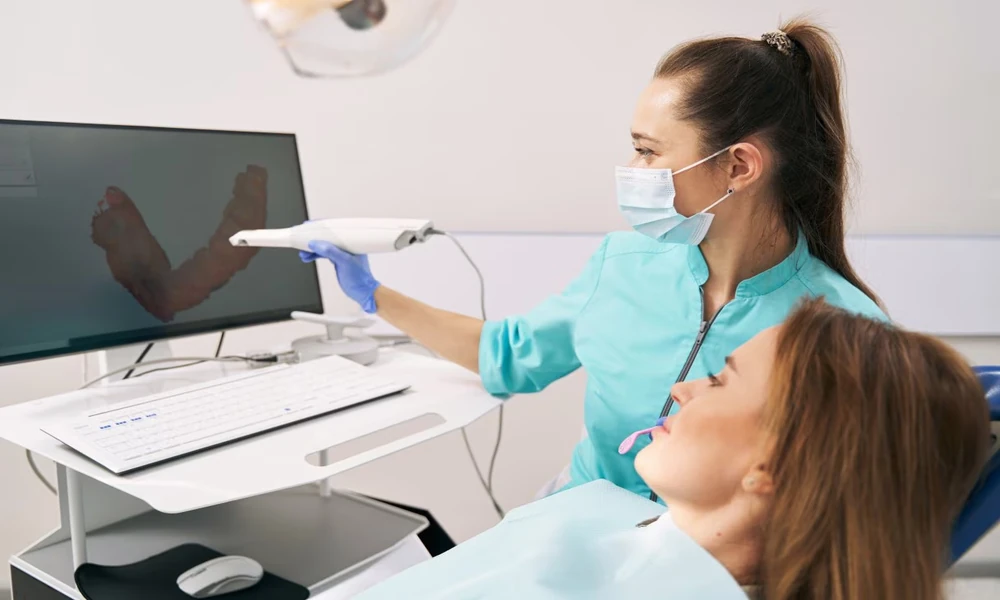
You sit down for a dental checkup, and part of you is already bracing for the usual worries. Will they find something painful, expensive, or easy to miss until it turns into a bigger problem? That tension is common, especially when life is busy and dental visits already feel like one more thing to manage. The good news is that digital tools have changed a lot about the way a general dental exam works, especially when visiting a Dentist in Petaluma, CA. They help your dentist see more, explain more clearly, and often catch trouble earlier, before it becomes harder on your time, comfort, and budget.
That matters because oral health is tied to your daily life more than most people realize. The National Institute of Dental and Craniofacial Research points out that oral conditions can affect eating, speaking, sleep, work, and overall well being. A routine exam is not just a quick look at your teeth. It is one of the main ways to spot cavities, gum changes, worn fillings, bite issues, and signs of infection while treatment is still simpler.
Digital imaging improves accuracy during general dental exams
The first major benefit is visibility. Traditional methods still have value, but digital imaging gives dentists a more detailed view of what is happening in places your eyes cannot see. Small cavities between teeth, early bone loss, cracks, and changes around old dental work often show up more clearly on a screen that can be enlarged and adjusted.
This can spare you the frustration of hearing that a minor issue has turned into something bigger because it stayed hidden too long. You may have had that experience before, where a tooth felt fine until one day it did not, and suddenly the fix was no longer small. Digital X rays and intraoral images reduce some of that guesswork. They support earlier detection, which often means less invasive care.
There is also a safety concern many patients carry quietly. If X rays are involved, you may wonder how much radiation you are getting. The CDC’s facts on dental X rays explain that dental imaging uses a low dose of radiation, and modern systems are designed to keep exposure as low as reasonably achievable. When digital systems are used appropriately, they can support efficient imaging with strong diagnostic value.
Digital records make dental checkups clearer and easier to follow
The second benefit is clarity. A lot of dental stress comes from not knowing what the dentist sees or why a recommendation is being made. Digital photos, scans, and charting help turn a confusing conversation into something concrete. Instead of hearing about “a spot to watch,” you can often see the image yourself.
That changes the tone of the visit. You are not expected to nod along and trust words you cannot picture. You can look at a worn edge, a shadow between teeth, or a gum area that has changed over time. A digital dental exam often feels more collaborative because the information is right there in front of you.
This also helps with continuity. If you have ever switched offices, forgotten what was said at the last visit, or tried to compare old treatment recommendations to new ones, digital records make that process smoother. Your dentist can track subtle changes from one exam to the next and show whether an area is stable or getting worse. That kind of comparison matters in preventive care, because waiting is sometimes the right call, but only when there is a reliable way to monitor what is happening.
Digital technology supports cleaner, more efficient care in routine dental visits
The third benefit is efficiency, and that connects directly to comfort and safety. Digital workflows often reduce retakes, shorten waiting, and improve communication between the exam room and the clinical record. For patients, that can mean a visit that feels less repetitive and less uncertain.
It also fits into a bigger picture of infection prevention. The CDC summary of dental infection prevention practices outlines the systems dental teams use to protect patients and staff. Digital processes do not replace those standards, but they can support cleaner documentation, reduce handling in some parts of care, and improve consistency across the visit.
Public health data supports the need for better prevention and better access to care. The CDC overview of oral health notes that untreated cavities and gum disease remain common across age groups. When a routine dental visit uses better tools to detect and track disease early, the exam becomes more than a checkbox. It becomes a more useful point of prevention.
Digital technology and traditional methods differ in ways patients can feel
| Exam Feature | Traditional Approach | Digital Approach |
|---|---|---|
| Image review | Limited enlargement and slower sharing | Images can be enlarged and reviewed chairside |
| Early problem detection | Smaller changes may be harder to track over time | Better visual comparison across visits |
| Patient understanding | Often based on verbal explanation alone | Photos and scans make findings easier to see |
| Workflow speed | May involve more manual handling | Faster storage, retrieval, and communication |
| Preventive planning | Monitoring can feel less precise | Trends are easier to document and follow |
Simple steps help you get more from your next dental exam
Ask what digital tools are used. You do not need a technical breakdown. Ask whether your exam includes digital X rays, intraoral photos, or periodontal charting. If a problem is found, ask to see it on the screen. That one step can make the visit feel far less vague.
Track changes instead of waiting for pain. Pain is a late signal in many dental problems. If your dentist is watching an area, ask what changed from your last routine dental exam and what would trigger treatment. That helps you understand whether the plan is active monitoring or simple watchful waiting.
Use the exam as prevention, not damage control. Bring up bleeding gums, jaw soreness, tooth sensitivity, dry mouth, or grinding, even if they seem minor. Digital records are most useful when your dentist has the full picture. Small symptoms paired with detailed imaging can reveal patterns that are easy to miss otherwise.
Better technology can make general dentist visits feel less uncertain
You should not have to leave a dental appointment feeling confused about what was found or worried that something was missed. Digital tools do not replace clinical judgment, but they give your dentist better information and give you a clearer view of your own oral health. That is the real value behind the 3 benefits of using digital technology in general dental exams. Better detection, clearer communication, and more efficient care. When your next visit comes around, ask how technology is being used in your exam and how it supports your long term dental health.
