

Vision loss related to diabetes can be life-altering, affecting independence, mobility, and overall quality of life. Managing these changes requires more than medical treatment alone-it involves education, lifestyle adjustments, emotional support, and long-term planning. With the right strategies, patients can better adapt to visual changes and maintain meaningful daily function.
Understanding Vision Changes in Diabetes
Long-term high blood sugar levels can damage the small blood vessels in the retina, leading to progressive vision problems. Early stages may cause no noticeable symptoms, while advanced stages can result in blurred vision, dark spots, or even sudden vision loss.
Because symptoms can develop gradually, many patients underestimate the seriousness of their condition. Regular eye examinations are essential for early detection and timely intervention.
The Importance of Early Diagnosis and Monitoring
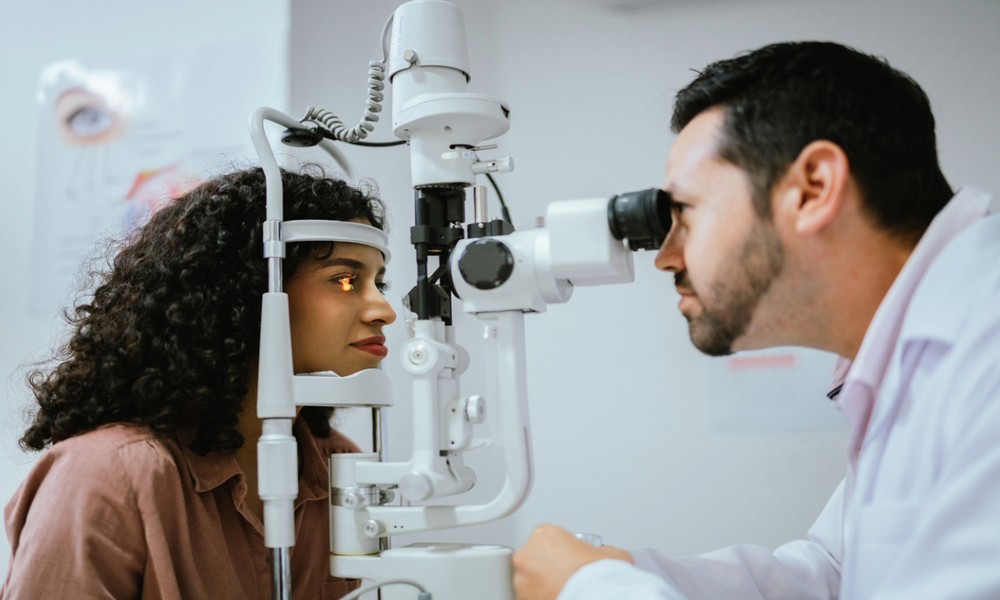
Routine retinal screening allows eye care professionals to identify changes before significant vision loss occurs. Early diagnosis improves the chances of preserving remaining vision and slowing disease progression.
Once diagnosed with diabetes-associated retinopathy, consistent follow-up appointments become a critical part of care. Monitoring helps guide treatment decisions and allows for early response to worsening retinal damage.
Medical Treatments to Preserve Vision
Treatment options for retinopathy caused by diabetes will depend on the severity of retinal changes. These may include medications, laser procedures, or injectable therapies aimed at reducing swelling and preventing further damage.
While treatment may not fully restore lost vision, it often stabilizes the condition and helps prevent further decline. Adhering to recommended treatment schedules is key to achieving the best possible outcomes.
Blood Sugar and Systemic Health Control
Effective vision management starts with controlling diabetes itself. Maintaining stable blood glucose levels reduces ongoing damage to retinal blood vessels. Managing blood pressure and cholesterol is equally important. A coordinated approach involving physicians, eye specialists, and patients significantly improves long-term eye health.
Adapting Daily Life to Vision Changes
Vision loss can interfere with everyday activities such as reading, cooking, and navigating unfamiliar environments. Simple modifications can make a meaningful difference. Improved lighting, high-contrast labels, and magnifying tools help patients remain independent. Learning adaptive techniques early reduces frustration and builds confidence.
The Role of Low Vision Rehabilitation
Low vision rehabilitation focuses on maximizing usable vision rather than curing the underlying disease. Specialists assess individual needs and recommend practical solutions. These services may include training with visual aids, orientation techniques, and assistive technology. Rehabilitation empowers patients to continue daily activities safely and efficiently.
Emotional and Psychological Support
Adjusting to vision loss can be emotionally challenging. Feelings of anxiety, frustration, or depression are common and should not be ignored. Support from family, peer groups, or mental health professionals can help patients cope more effectively. Emotional well-being plays a significant role in overall disease management.
Nutrition and Lifestyle Considerations
A balanced diet supports both metabolic control and eye health. Nutrients such as antioxidants and omega-3 fatty acids may contribute to overall retinal function. Regular physical activity, smoking cessation, and adequate sleep further support vascular health. These habits complement medical care and help slow disease progression.
Patient Education and Self-Monitoring
Understanding warning signs such as sudden vision changes, floaters, or flashes of light allows patients to seek care promptly. Early action can prevent severe complications. Education encourages patients to take an active role in managing their condition, leading to better adherence and improved outcomes.
Long-Term Planning and Independence
Vision loss may require adjustments in work, driving, or household routines. Planning ahead allows patients to maintain independence and safety. Using community resources, mobility training, and assistive services helps individuals remain engaged in social and professional life despite visual limitations.
Conclusion
Managing vision loss in diabetic retinopathy patients requires a comprehensive and patient-centered approach. Medical treatment, lifestyle management, rehabilitation, and emotional support all play vital roles. With early intervention and ongoing care, many individuals can preserve functional vision, adapt successfully, and continue to lead active, fulfilling lives despite visual challenges.
