

Cataracts are one of the most common causes of blurry vision, especially among older adults. The condition develops when the eye’s natural lens gradually becomes cloudy, making it harder to see clearly over time.
Many people know that cataract surgery improves vision, but they are often surprised by the additional benefits the procedure may bring to daily life. Beyond sharper eyesight, cataract surgery may improve confidence, mobility, independence, and overall quality of life in ways patients do not always expect.
Modern cataract surgery is considered safe, effective, and minimally invasive, making it one of the most successful procedures performed worldwide today.
What Is Cataract Surgery?
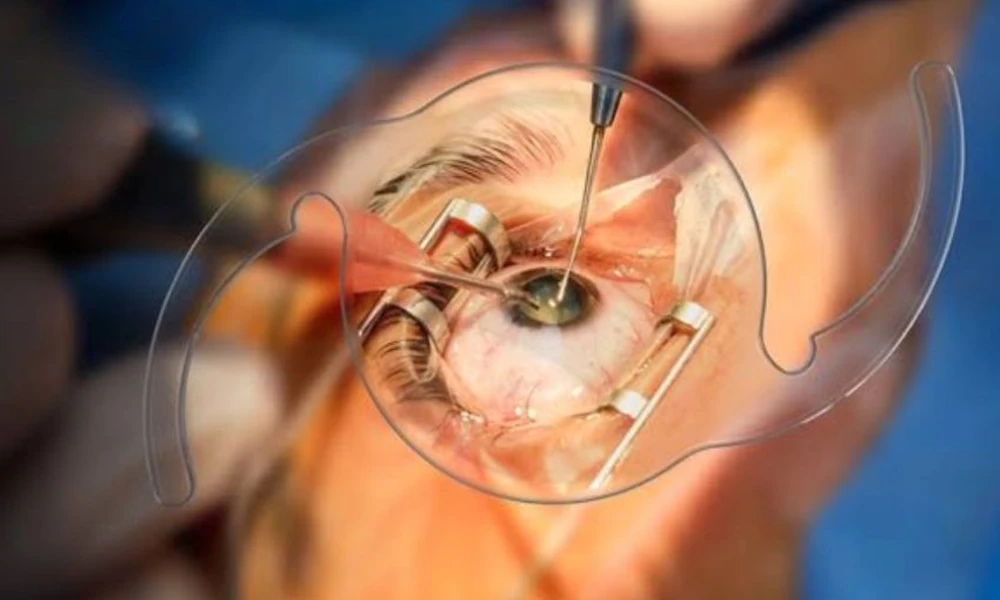
Cataract removal surgery involves removing the cloudy natural lens and replacing it with a clear artificial intraocular lens (IOL).
The procedure is usually performed under local anesthesia and often takes less than an hour. Most patients return home the same day and begin noticing visual improvement within several days.
Although clearer vision is the primary goal, many patients experience additional physical and emotional benefits after recovery.
1. Improved Night Driving
One of the most overlooked benefits of cataract surgery is improved night vision.
Cataracts often cause glare and halos around headlights or streetlights, making nighttime driving stressful and unsafe. After surgery, many patients notice reduced glare sensitivity and better contrast, helping them feel more confident driving in darker environments.
Improved night vision may also support greater independence and mobility.
2. Better Color Perception
Cataracts may gradually cause colors to appear dull, faded, or yellowed.
Because the change happens slowly, many people do not realize how much their color perception has changed until after cataract surgery. Patients are often surprised by how vibrant and bright colors appear once the cloudy lens is removed.
Improved color clarity may make reading, cooking, and everyday activities more enjoyable again.
3. Reduced Risk of Falls
Blurred vision may increase the risk of trips and falls, particularly among older adults.
Difficulty seeing stairs, uneven surfaces, or obstacles clearly may affect balance and mobility. Cataract surgery may improve depth perception and environmental awareness, helping reduce accident risk and support safer movement at home and outdoors.
Maintaining good vision plays an important role in preserving independence.
4. Greater Independence
Vision changes may affect confidence in performing daily activities.
Simple tasks such as reading labels, preparing meals, driving, or managing medications may become frustrating when cataracts progress. After cataract surgery, many patients regain the ability to perform these tasks more comfortably without relying heavily on others.
Improved independence may positively affect emotional well-being and quality of life.
5. Easier Reading and Screen Use
Cataracts may make reading books, newspapers, or digital screens increasingly difficult.
Patients often experience eye strain, blurry text, or trouble focusing on detailed objects. Cataract surgery may restore sharper vision and improve reading comfort, allowing individuals to enjoy hobbies, work, and screen-based activities more easily again.
Clearer near vision may also improve productivity and daily convenience.
6. Better Management of Other Eye Conditions
Advanced cataracts may make it harder for ophthalmologists to examine the retina and optic nerve clearly.
After cataract surgery, eye specialists often gain better visibility inside the eye, making it easier to monitor conditions such as glaucoma, diabetic retinopathy, or age-related macular degeneration.
Earlier detection and management of other eye diseases may improve long-term eye health outcomes.
7. Improved Emotional Well-Being
Vision loss may affect more than eyesight alone.
Many patients with cataracts feel frustrated, isolated, or less confident because visual limitations interfere with social activities and daily routines. Improved vision after cataract surgery may help patients feel more socially engaged and emotionally reassured.
Being able to recognize faces clearly, participate in hobbies, and move around confidently may significantly improve mood and overall quality of life.
8. Potential Reduced Dependence on Glasses
Modern intraocular lens technology offers more visual correction options than before.
Depending on the lens selected, some patients may reduce their dependence on glasses for distance or reading tasks after cataract surgery. Lens options may include monofocal, multifocal, or toric lenses designed to correct astigmatism.
Although some individuals may still need glasses for certain activities, many appreciate the added visual convenience after surgery.
Conclusion
Many patients initially view cataract surgery as simply a way to improve blurry vision, but the procedure may offer several additional benefits that significantly affect daily life. Improved night driving, better color perception, reduced fall risk, greater independence, and enhanced emotional well-being are just some of the advantages patients often overlook.
Modern cataract surgery continues to provide safe and effective visual improvement for millions of people worldwide. By seeking treatment at the right time and understanding the broader benefits of surgery, patients may improve not only their eyesight but also their overall quality of life and confidence in everyday activities.
