

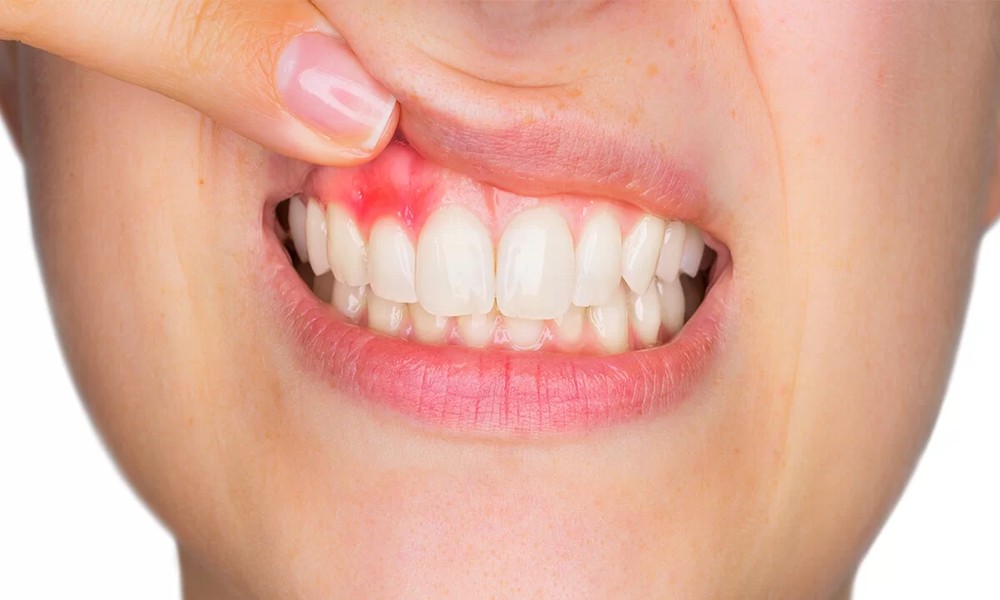
Most people think about gut health once they hear the word “probiotics”. Little they know that probiotics can address dental health too. The dental probiotics prevent and manage gum disease.
Gum disease
Gum disease affects the bones and tissues for healthy teeth. The issues occur when they are left untreated. These are the results of gum disease:
- tooth loss
- chronic bad breath
- increase the risk for systemic conditions, such as:
- heart disease
- diabetes
You can achieve healthy gums by taking probiotics, not simply brushing and flossing teeth.
Gum disease can affect the tissues around the teeth. The indication starts with:
- gingivitis
- marked by redness
- swelling
- bleeding gums
The disease progresses to periodontitis if left untreated. It damages the bone that can lead to tooth loss. The condition is caused by the overgrowing harmful bacteria in the mouth. The bacteria form the following:
- plaque
- tartar
This can trigger inflammation. The dentists treat gum disease through the following:
- deep cleanings
- antibiotics
- improved oral hygiene
Probiotics emerge as a supportive option.
About probiotics
Probiotics are live microorganisms. It is mostly beneficial bacteria that provide health benefits when taken adequately. These live microorganisms in the gut address:
- balance harmful microbes
- support digestion
- boost the immune system
Probiotics in the mouth restore a healthy balance of bacteria, especially after:
- illness
- antibiotics
- poor hygiene
The beneficial bacteria of probiotics maintain a healthy balance of microorganisms in the body. Your mouth is the home to hundreds of types of bacteria. In the course of gum disease, these happen:
- Gingivitis. The harmful bacteria overgrow, causing inflammation of the gum.
- Periodontitis. It is a deeper infection of ligaments and bone around the teeth.
Probiotics restore their healthier balance.
Probiotics benefits
Prevent tooth decay
Tooth decay can be prevented with probiotics. The streptococcus mutants can cause cavities. It produces eroded tooth enamel. Good to know that probiotics suppress the harmful bacteria to reduce the risk of cavities.
Fights gum disease
Gum disease can lead to losing tooth, if untreated. The work of probiotics is to reduce:
- inflammation
- plaque buildup
The good bacteria keeps the gum healthier and its overall oral health.
Reduce bad breath
The overgrowth of harmful bacteria in the mouth causes bad breath. The work of probiotics is to neutralize these bacteria for fresher breath.
Enhance immune response
Probiotics boost the mouth’s immune response, making it more resistant to:
- Inflammations
- Infections
Enhanced immunity protects against various oral health issues.
Probiotics fight gum disease
Research has shown that probiotics prevent and manage gum disease:
Reduces inflammation
Probiotic strains substances that calm gum disease tissue. It reduces:
- swelling
- redness
- bleeding
These are the early signs of gum disease.
Stops harmful bacteria
Probiotics fight harmful bacteria to stop from growing in your mouth.
Improve immune response
Probiotics enhance the immune response of the body. The infections are fight backed to keep the gums healthy.
Supporting healing
Certain strains promote faster healing after dental treatments, such as:
- deep cleanings
- scaling
- root planing
Safely use probiotics
Even if probiotics are good for dental health, they are safe to use. They are still consumed in moderation with physician’s advice. You must check with the dentist before adding them to your routine. Take note that probiotics is a supplement and not a replacement.
It is always advised to have good oral hygiene practices, such as:
FAQs
Why include probiotics on your oral hygiene?
Probiotics support gum health naturally.
Can probiotics treat tooth decay?
Probiotics cannot heal active tooth decay. You can rely on this good bacteria as a prevention tool that work by:
