

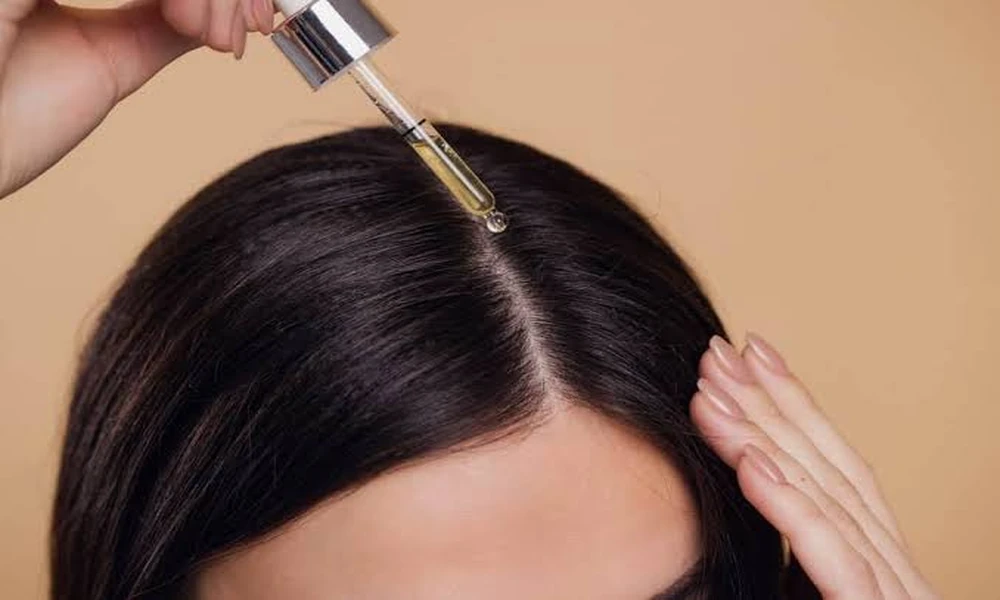
Deciding to address thinning locks or a receding hairline marks a significant turning point in your personal care routine. Across Singapore, high humidity, stressful schedules, hormonal shifts, and hereditary traits prompt many individuals to seek professional help for sparse strands. Yet, with a vast array of clinics offering everything from laser helmets to botanical serums, selecting a suitable path requires careful discrimination. Asking fundamental questions about your scalp’s physical condition, your daily lifestyle, and the technology involved ensures you invest in a solution that yields genuine improvements.
Treatment Considerations: Key Questions Before Booking
Reflecting on these practical questions helps structure your consultation and prevents costly missteps.
- Diagnostic Depth: Has a specialist performed a close-range optical scalp analysis to confirm why your density is dropping?
- Follicular Status: Do your hair roots still show signs of life, or have the pores completely closed over time?
- Personal Schedule: Can you consistently integrate weekly appointments and daily topical applications into your routine for six months?
- Budget Clarity: Have you mapped out the full financial requirements of multi-stage sessions and home support products?
1. Determining the Precise Cause Behind Your Density Loss
Hair loss operates through multiple distinct biological channels. Sudden diffuse shedding triggered by illness or stress (telogen effluvium) behaves completely differently from genetic pattern thinning driven by hormone sensitivity.
Attempting a generalised regimen without a precise diagnosis often wastes valuable time. Consulting a qualified specialist or trichologist helps clarify whether your condition stems from nutritional deficits, autoimmune triggers, or hormonal shifts, ensuring your chosen protocol addresses the true root problem rather than temporary surface symptoms.
2. Assessing Whether Your Hair Pores Are Active or Inactive
The success of non-surgical restoration hinges entirely on whether your hair roots remain viable. When follicles undergo miniaturisation, they shrink and produce fine, peach-fuzz strands, but they retain the capacity to produce thicker hair if stimulated correctly.
Conversely, areas of the scalp that have remained smooth and glossy for years often indicate dormant, closed pores. Recognising this distinction prevents unrealistic expectations, as non-invasive stimulation can reactivate miniaturised roots but cannot create new follicles in completely smooth skin.
3. Reviewing the Scientific Validity of the Proposed Technology
In Singapore’s competitive wellness landscape, hair growth therapy spans various methods, including low-level light therapy (LLLT), peptide micro-needling, stem-cell conditioning media, and specialised scalp scaling.
Before committing, ask your consultant to explain how their specific equipment or topical formula works at a cellular level. Reliable treatments focus on tangible physiological goals: improving microvascular blood flow around the bulb, suppressing local DHT effects, or soothing chronic tissue inflammation.
4. Setting Practical Expectations for the Regeneration Cycle
Because human hair grows in slow biological phases-typically gaining roughly one centimeter per month-restoration is an incremental journey rather than an overnight fix. Initial progress often appears as reduced daily shedding and healthier scalp skin rather than sudden thick hair growth in Singapore.
Visible improvements in strand thickness and overall volume generally require three to six months of unwavering consistency. Being suspicious of rapid “miracle cures” helps you stay grounded and patient as your follicles complete their natural growth cycles.
5. Ensuring Your Scalp Barrier Is Healthy Enough for Active Ingredients
A compromised scalp environment creates a poor foundation for hair restoration. If your skin suffers from active eczema, heavy seborrheic crusts, or severe dryness, applying concentrated growth serums or using physical micro-needling can cause painful inflammation and further hair loss.
A thorough consultation should always evaluate your skin barrier first. Balancing hydration, clearing excess sebum, and eliminating scalp sensitivity must occur before introducing potent growth boosters.
6. Planning for Ongoing Upkeep and Long-Term Care
Achieving restored volume is an impressive milestone, but maintaining those results requires long-term commitment. If your hair thinning is tied to genetic patterns, stopping all care once density returns will eventually allow hereditary shedding to resume.
Clarify what your long-term maintenance program will involve once your primary treatment block ends. Understanding whether you will need monthly touch-ups or specific home tonics helps you protect your progress and enjoy lasting hair confidence.
Taking an Informed Step Toward Restoration
Starting a hair restoration program represents an investment in your personal confidence and daily peace of mind. By systematically weighing diagnostic clarity, root health, technology standards, and long-term upkeep, you can select a care strategy that delivers safe, sustainable, and satisfying results.
Contact Bio Organicare Scalp to book a thorough scalp examination and learn more about our tailored restoration programs.
