

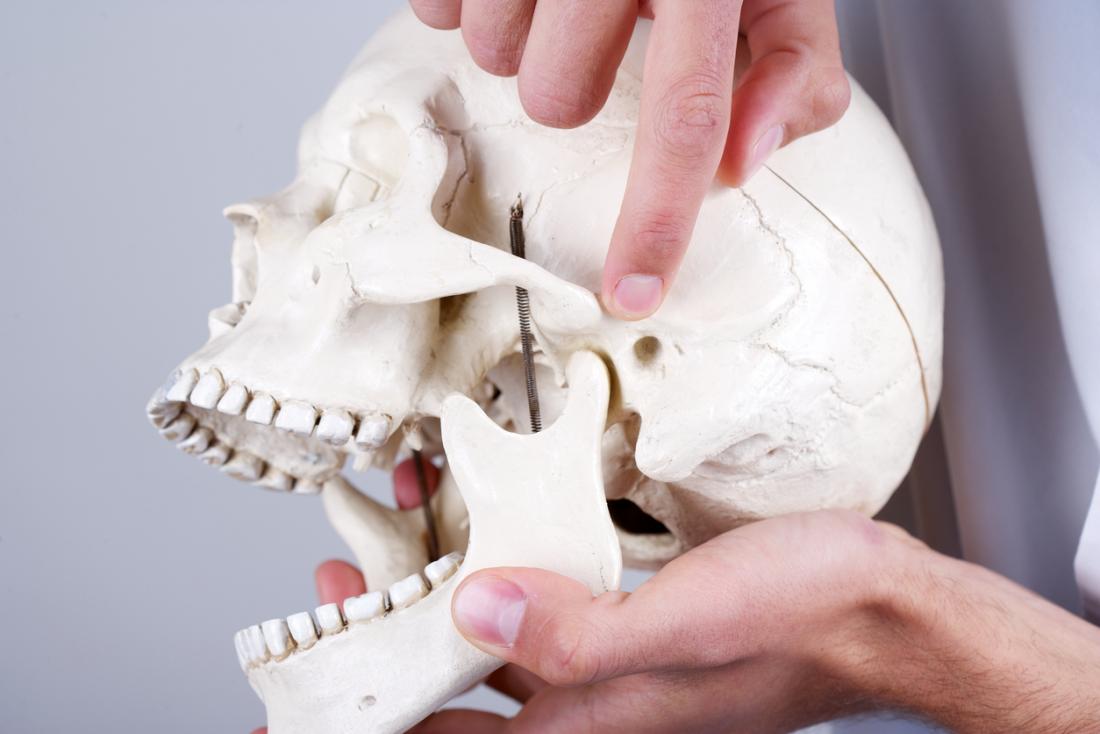
Temporomandibular joints are located in front of your ears, on both sides of the face. They connect the lower jawbone to the skull and help in movements such as speaking and chewing. TMJ disorders happen when the muscles and ligaments surrounding your jaw joints are irritated or inflamed. Bruxism, arthritis, stress, acute trauma, improper bite, and dislocation of the disc between your ball and socket joint are the common causes of Santa Monica TMJ disorders. Below are the various treatment techniques for TMJ disorders:
Medications
Pain relievers and anti-inflammatories can help ease your pain and swelling. Your doctor can recommend tricyclic antidepressants such as amitriptyline. Antidepressants are mainly used to relieve depression symptoms, but low doses can reduce pain and control bruxism and insomnia. If muscle spasms cause your TMJ issues, muscle relaxants can help reduce the effects.
Wearing a splint or night guard
Splints and night guards are mouth appliances that fit over your teeth to promote tooth contact stability during closure. Mouth guards place your jaw in the correct position to help correct your bite. You can wear splints full time, while night guards are only worn at night. In most cases, your dentists will mostly recommend a night guard if you grind or clench your teeth while sleeping.
Injections
Your doctor can inject corticosteroids into your jaw to relieve pain. But you cannot use corticosteroids for long periods as they can deteriorate your jaw. Botox injections help minimize muscle mass and inflammation and reduce pain resulting from TMJ disorders. Botox is infrequently injected into your jaw muscles to enhance chewing.
Surgical procedures
If other treatment procedures do not improve your TMJ disorders, your healthcare provider can recommend surgery. There are various TMJ surgical techniques, including:
Arthrocentesis: This surgical process is minimally invasive and involves your specialist inserting tiny needles into your joint. Surgeons perform Arthrocentesis under local anesthesia. The needles are filled with sterile fluids, enabling the specialist to remove debris and inflammatory byproducts. Specialists use arthrocentesis if your jaw suddenly locks in a closed angle, and it helps reduce TMJ inflammation. Sometimes your specialist can use a surgical tool to remove scar tissue.
Arthroscopy: This procedure is done under general anesthesia. It involves your specialist making a small incision in front of your ear and inserting a thin device containing a lens and light. The device is attached to a video monitor, which allows the specialist to examine your TMJ and its surroundings. Arthroscopy can enable your surgeon to remove inflamed tissue or realign the TMJ disc.
Open-joint surgery: Sometimes, TMJ pain can be caused by structural issues. Your dentist may recommend an open-joint surgery to help restructure or replace your joint. The procedure involves a long turn to allow your provider to insert instruments. Open-joint surgery can be necessary if you have tumors in or around your TMJ, severe scarring, or bone chips in your TMJ. If the bony structures that make up your jaw are worn out, open surgery can help.
TMJ disorders are treatable, but consulting your dentist immediately when you experience joint tenderness or difficulty moving your jaw can help avoid severe issues. Schedule an appointment at Bay Dental for TMJ disorders treatment to relieve your pain.
