

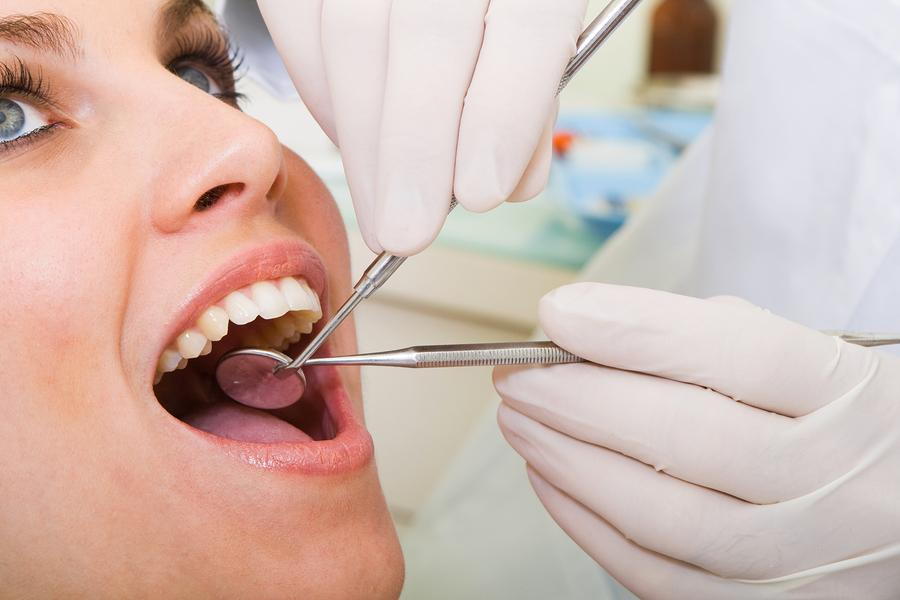
You probably already have a set nightly oral hygiene routine, but you might wonder if there’s a better order to follow. According to a study conducted in 2018, flossing first helps get rid of more plaque than brushing alone.
To minimize plaque buildup between dental visits, it is recommended first to brush your teeth, then use floss, and last, rinse with mouthwash. Let your hygienist with Maryville, TN dental services know if you’re worried about your dental appointment or a particular procedure.
First, you’ll want to floss.
Never speed during a session of flossing. Plaque and tartar can cause serious health problems if left on the teeth. In the opinion of many, simply inserting the floss between the teeth is adequate while flossing. If you want to eliminate plaque efficiently, you should floss slowly. Use a clean section of floss for each tooth as you work your way up and around it.
Second, rinse your mouth out.
Brushing your teeth only cleans roughly a quarter of your mouth. Did you know that? Harmful germs are still present in the rest of the mouth, and they can readily spread to the teeth. The antibacterial properties of mouthwash combine with its ability to mask bad smells and restore oral pH to make it more hospitable. Using a mouthwash approved by the American Dental Association (ADA) is a great way to level up your oral hygiene regimen.
It’s tempting to follow up brushing your teeth with a swish of mouthwash, but doing so will just wash away your toothpaste’s beneficial elements.
Third, brush
You should brush your teeth twice a day, once after breakfast and again before bed. However, flossing and using mouthwash are better left for the evening. Every time you clean your teeth, you should do so for at least two minutes. Setting a timer, listening to music that lasts exactly two minutes, or using a unique toothbrush that includes a timer are all great ways to make sure you brush for the full two minutes. Cleaning your teeth thoroughly requires devoting 30 seconds to each quadrant of your mouth. To further protect your teeth from cavities, use fluoride toothpaste.
Regular, thorough, and precise brushing and flossing are far more critical than the specific order in which you perform these tasks. Try out this sequence for size! Don’t worry about it if you don’t want to. No matter what sequence you choose, you can still keep your teeth and gums healthy and smile bright.
