

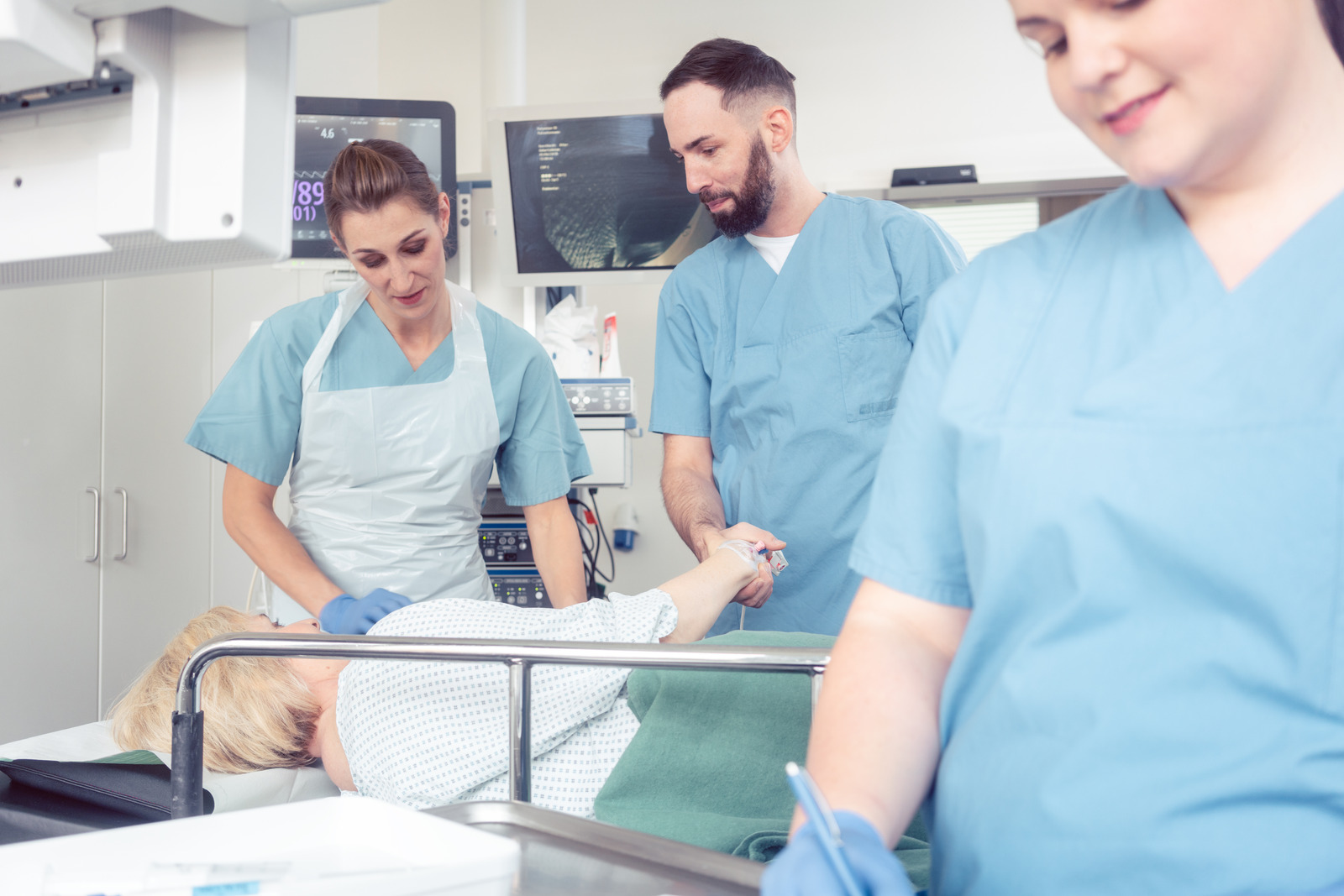
The medical procedure that involves navigating a tube-like instrument to examine the inside of a body is called endoscopy. However, there are different types of endoscopies that can be done. Each is designed to view a different part of the body.
Endoscopy cost can vary depending on a few important factors such as the type of procedure done. For instance, endoscopy cost in Singapore can range from $500 to $11,000. Below are some of the most common types of endoscopy and a brief overview of each.
Colonoscopy
This procedure involves using a long and flexible tube called a colonoscope to look inside the rectum and colon. The device is about the width of a finger and comes with a light and small video camera at the end. It passes through the anus into the rectum and colon.
Colonoscopy is recommended for various scenarios. For instance, the test is used for colorectal cancer screening. Screening is done to look for cancer in patients who are not experiencing any symptoms. If there are abnormal areas present during the procedure, they are removed and biopsied (tested for cancer).
Bronchoscopy
This procedure is done so the doctor can examine the insides of the lungs. The device used is called a bronchoscope. A bronchoscope is a flexible and thin tube with a small video camera and light at the end. The tube is put in through the mouth or nose, down the throat, into the windpipe, and into the airways of the lungs (bronchi and bronchioles).
Bronchoscopy is done to check for abnormal areas that are seen on an imaging test such as CT scan or chest X-ray. Abnormal areas that are seen during the procedure are typically biopsied to check if cancerous. A bronchoscope can also be used for bronchial washing.
Laparoscopy
This procedure is done to look inside the pelvis and the belly. The device used is a laparoscope, a flexible and thin tube that has a small camera and light at the end. The tube passes through a small cut that is made in the abdominal wall near the belly button (navel).
Other incisions (second or third) may also be made in other parts of the belly where instruments can pass through. Laparoscopy is also called keyhole surgery or minimally invasive surgery.
Laryngoscopy
This is a procedure doctors use to check the voice box or the larynx as well as the vocal cords and other nearby structures. Laryngoscopy is done to look for the possible causes of certain symptoms including throat pain or cough that won’t go away, voice changes, difficulty breathing or swallowing, and bad breath.
Laryngoscopy can also be used to treat throat or vocal chord problems. For instance, the thin and long instrument is used to remove polyps or tumors in the vocal cords. A small laser at the end of the device is also used to remove areas that could be cancerous. Make sure to inform your doctor about any medications you are taking prior to the test.
Upper Endoscopy
Upper endoscopy is done to look at the upper digestive tract’s inner linings. The digestive tract includes the duodenum, stomach, and the esophagus. Upper endoscopy is also known as esophagogastroduodenoscopy or EGD. This procedure is done using an endoscope.
The tube is put in the mouth and passes down the throat down to the esophagus. From there, it also passes to the stomach and the small intestine. Upper endoscopy is done if the following symptoms are present: vomiting or coughing up blood, difficulty swallowing, feeling full quickly, and heartburn.
