

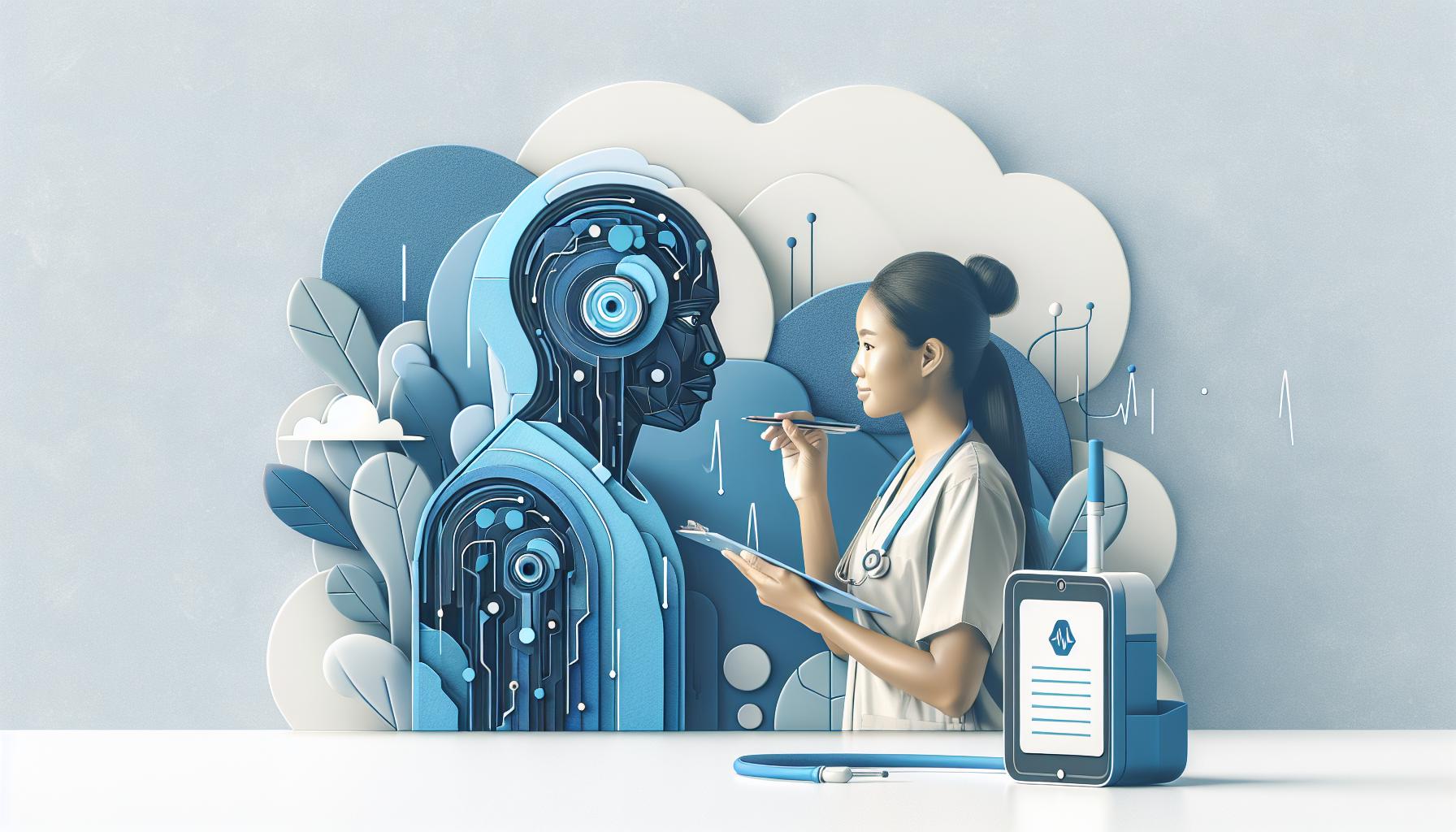
Clinical documentation has long been one of the most time-consuming parts of medical practice. Notes must be detailed, accurate, and compliant, yet they are often created under time pressure, late in the day, or after hours. As a result, documentation fatigue has become a real challenge across healthcare. This is where the AI medical scribe is quietly changing how clinicians work.
Instead of treating documentation as a separate task, AI brings it directly into the clinical workflow. The result is a more natural, efficient, and sustainable way to manage medical records.
The Core Idea Behind an AI Medical Scribe
An AI medical scribe listens to the clinical encounter and automatically produces structured medical documentation. It captures the key elements of a visit, understands medical language, and organizes information into usable notes. The clinician no longer has to dictate after the appointment or type while speaking with the patient.
This approach reflects a broader shift toward automation that supports clinicians rather than distracting them. The goal is simple: reduce administrative effort without compromising documentation quality.
How Medical Scribe AI Works in Practice
Medical scribe AI relies on a combination of advanced speech recognition and contextual understanding. During a visit, the system processes spoken dialogue and identifies clinically relevant details such as symptoms, diagnoses, assessments, and plans.
Unlike traditional dictation tools, this technology understands intent and structure. It recognizes when a clinician is asking questions, reviewing history, or outlining treatment options. This allows the output to be more than a transcript—it becomes a polished medical note.
The Role of AI Medical Transcription
At the foundation of many AI scribe platforms is AI medical transcription. This component converts speech into text with high accuracy, even in complex medical environments. However, transcription alone does not solve the documentation problem.
AI medical scribing builds on transcription by organizing and refining the content. It removes filler words, excludes irrelevant conversation, and formats notes according to clinical standards. This layered approach is what makes AI-powered documentation so effective.
Why Clinicians Are Moving Away from Manual Notes
Manual documentation requires constant attention switching—listening, typing, thinking, and speaking all at once. Over time, this can affect both clinician focus and patient interaction.
With an AI medical scribe, documentation becomes a background process. Clinicians can speak naturally, conduct thorough exams, and maintain meaningful conversations while the system handles note creation. This leads to:
Less after-hours charting
Fewer documentation backlogs
Improved accuracy and consistency
Reduced cognitive fatigue
Medical Transcription Software as a Productivity Tool
Modern medical transcription software powered by AI is no longer just about speed. It is designed to support clinical accuracy, adapt to different specialties, and integrate into existing systems. When combined with intelligent scribing features, transcription software becomes a productivity engine rather than a simple utility.
The ability to generate near-complete notes immediately after a visit significantly shortens turnaround time and reduces the need for revisions.
Adaptability Across Care Settings
AI medical scribing is flexible enough to support a wide range of care environments. In busy outpatient clinics, it helps keep pace with high patient volumes. In specialty practices, it adapts to unique terminology and documentation styles. In virtual care, it ensures that telehealth visits are documented with the same level of detail as in-person appointments.
Because medical scribe AI is software-based, it scales easily without adding staff or operational complexity.
Looking Ahead: Documentation Without Burnout
The future of healthcare documentation is not about faster typing or better templates. It is about removing friction from the clinical experience. AI medical scribe solutions are designed to fade into the background, quietly handling documentation while clinicians focus on decision-making and patient care.
As AI medical transcription and scribing technologies continue to mature, they will become an expected part of modern clinical practice. Not as a replacement for clinical judgment, but as a reliable assistant that restores time, clarity, and focus to healthcare professionals.
In a system where every minute matters, intelligent medical scribing represents a practical and lasting improvement to how medicine is documented.
